Top Bed Bug Exterminator Services for Commercial
Heat Treatment for Bed Bugs: The Ultimate Guide to Eliminating Bed Bugs
Heat treatment for bed bugs has emerged as an effective, chemical-free option for homeowners. This approach efficiently increases temperatures to eradicate all developmental stages of these parasites. Understanding its mechanics and benefits is essential for individuals confronting pest problems. Adequate preparation and upkeep following treatment can significantly influence outcomes. Still, numerous homeowners miss key steps. What steps are required to ensure a lasting, pest-free home? Exploring these aspects can provide clarity and guidance.
Why Bed Bugs Are a Major Concern for Homeowners
While bed bugs might appear to be a minor inconvenience, they present serious difficulties for homeowners. These pests, which can rapidly multiply, create anxiety and discomfort due to their nocturnal feeding habits. Their bites can lead to allergic reactions and secondary infections, making eradication essential. Furthermore, bed bugs are remarkably hard to eradicate; they are capable of concealing themselves in small spaces and enduring long periods without a meal.
The stigma associated with bed bug infestations can also affect property values and rental potential. Homeowners frequently experience financial burdens from ongoing treatment efforts and possible revenue losses in hospitality settings. Furthermore, the emotional toll of dealing with an infestation can contribute to stress and sleepless nights.
How Does Heat Treatment Eliminate Bed Bugs?
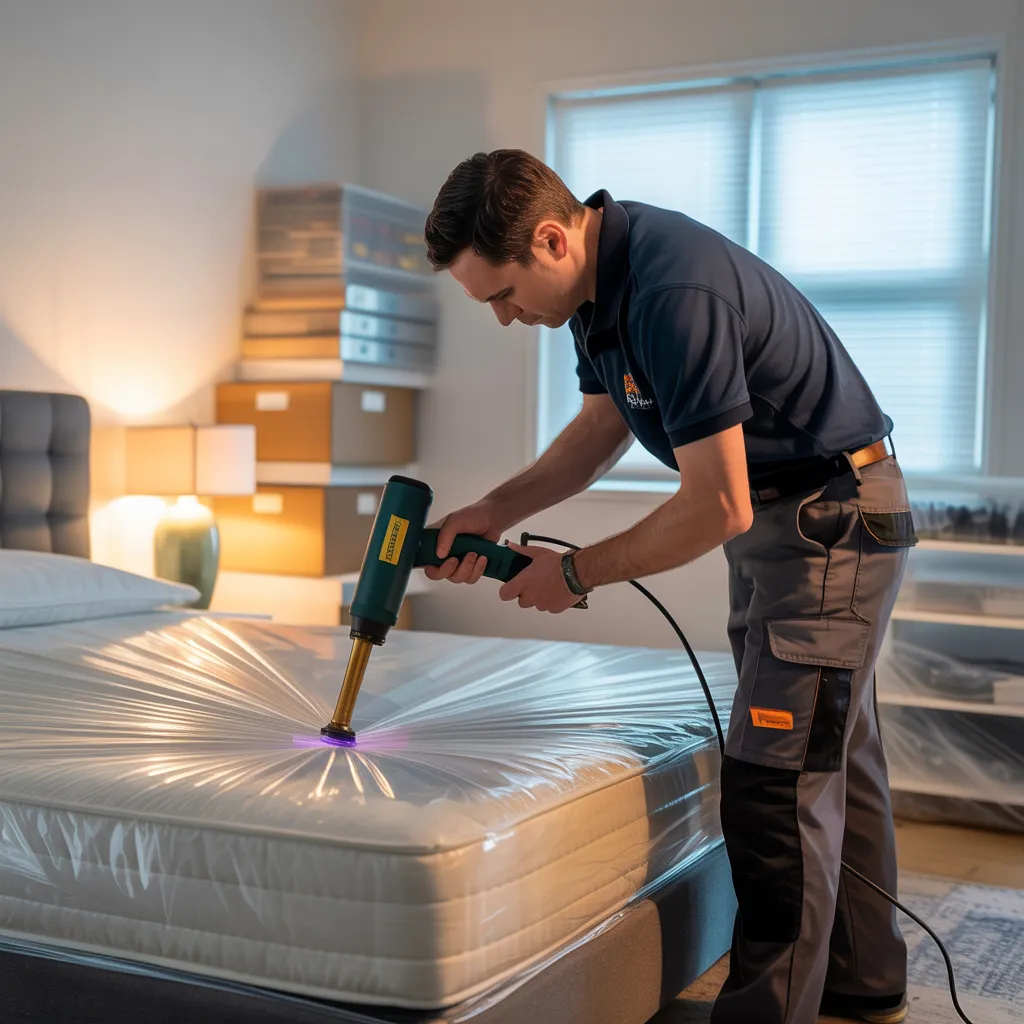
Heat treatment effectively eliminates bed bugs by increasing the temperature in affected areas to temperatures that are deadly for these insects. Usually, this method entails raising the temperature of a room or space to a sustained temperature between 120°F and 140°F (49°C to 60°C). At such temperatures, bed bugs, along with their eggs and nymphs, are unable to survive for extended periods.
The process requires professional-grade equipment to ensure uniform heat dispersal, penetrating every area where bed bugs could be concealed, such as furniture, mattresses, and wall crevices. It is necessary to measure the temperature consistently throughout the procedure to ensure the desired results are achieved.
Heat treatment is a chemical-free method, making it environmentally friendly and safe for households. Nevertheless, it requires careful and thorough preparation, which includes taking out heat-sensitive items and ensuring the area is properly sealed to sustain the required high temperature. This approach not only eliminates visible bugs but also reaches concealed populations, offering a thorough and complete resolution to pest infestations.
Benefits of Heat Treatment for Bed Bugs Compared to Other Methods
The merits of heat treatment for bed bugs stand out when measured against standard pest control techniques. In contrast to chemical treatments, heat successfully eradicates every life stage of bed bugs, including eggs, larvae, and adults, guaranteeing total elimination. This technique works deep within furniture, walls, and bedding, attaining temperatures fatal to these bugs.
Furthermore, heat treatment is environmentally friendly, as it avoids the use of toxic chemicals that can endanger the well-being of humans and pets. It also reduces the risk of developing resistance, a well-known challenge with chemical treatments, as bed bugs are not able to easily survive extreme heat.
In addition, heat treatment methods usually only need only one application, lowering the costs and time associated with multiple rounds of chemical treatment. In summary, heat treatment stands out as a thorough, efficient, and safer solution for securing a bug-free home.
How to Set Up Your Home for Effective Heat Treatment
Preparing a home for efficient heat treatment against bed bugs encompasses several important measures. As a first step, it is essential to eliminate clutter from the area to be treated to guarantee thorough heat penetration. In addition, protecting heat-sensitive items is important to minimize the risk of damage during treatment.
Clear The Treatment Area
Comprehensive preparation of the treatment area is essential for effective heat treatment against bed bugs. Homeowners should begin by tidying up the area, clearing away any unneeded items that may hinder the treatment process. Furniture must be shifted away from walls, allowing heat to circulate freely. Linens, garments, and personal items should be moved to prevent harm and secure complete heat coverage. Vacuuming the area is also recommended to clear any bed bugs and eggs that may be present before treatment. Finally, securing the room by closing windows and doors prevents heat loss, enhancing the overall effectiveness of the treatment. Carefully preparing the treatment area enhances the probability of successfully removing bed bugs and maintaining a pest-free household.
Shield Heat-Sensitive Products
Once you have cleared the treatment area, priority should be given to protecting temperature-sensitive belongings. These heat-sensitive objects, which can include specific fabrics, electronics, and artwork, can be harmed discussion by the high heat levels applied during the treatment process. It is important to locate and remove these heat-sensitive objects from the treatment zone. Electronics should be unplugged and stored in a cooler room, while delicate fabrics may require relocation to a safe environment. Additionally, medications, cosmetics, and any other items sensitive to heat must be securely stored away. Homeowners should consider consulting the manufacturer's guidelines for specific items to guarantee safe storage. This proactive approach not only safeguards valuables but also enhances the effectiveness of the heat treatment process against bed bugs.
What to Expect During Heat Treatment
During thermal treatment for bed bugs, meticulous preparation is essential to guarantee effectiveness. Property owners can anticipate a structured method that includes tracking heat levels and ensuring that every area are sufficiently heated. After the thermal treatment, particular follow-up steps will be needed to verify effectiveness and protect against future bed bug problems.
Getting Ready Before Treatment
Planning for heat treatment entails a series of critical steps to secure effectiveness and safety. First, residents should clear the space to ensure all surfaces are available. Things such as curtains, clothing, and bedding need to be washed in hot water and tumble dried on high heat to eliminate any lurking bed bugs. Large furniture should be shifted away from walls, and any items sensitive to heat, like plants and electronics, should be removed or protected. It is also important to advise pest control professionals about any particular concerns or infested areas. As a final step, residents should arrange a temporary relocation during the treatment, as temperatures will rise considerably, making the environment unsuitable for people and pests alike.
Post-Treatment Follow-Up Guidelines
When receiving thermal treatment for bed bug elimination, homeowners should anticipate a detailed and organized approach aimed at eradicating the pests. Once the treatment has concluded, the first step involves a gradual cooling process, in which the affected spaces will slowly reach their standard temperature levels. Technicians will then conduct a thorough inspection to ensure that all insects including eggs have been eliminated. Homeowners need to watch their home environments for any indications of reappearance such as bites or fecal stains. It is best practice to clean all linens and garments to eliminate any residual pests. Additionally, persistent monitoring is necessary; consistent evaluations and protective actions can assist in keeping the space free of pests. Homeowners could also be given instructions for thorough aftercare procedures.
How to Keep Your Home Free of Bed Bugs After Treatment
What steps can ensure a home remains free of bed bugs following treatment? Maintaining a pest-free environment requires diligent practices. First, regular inspections of sleeping areas, furniture, and luggage can help identify any returning pests. Vacuuming frequently, particularly in areas where bed bugs might hide, is essential. Employing a vacuum fitted with a HEPA filter and disposing of the vacuum bag right after use is considered best practice.
Moreover, enclosing box springs and mattresses in protective covers can prevent any re-infestation. Minimizing clutter throughout the home reduces possible hiding areas for these insects. While traveling, travelers should examine motel and hotel rooms and keep bags raised on luggage racks.
Finally, communicating with family members and roommates about bed bug awareness confirms that everyone is watchful, fostering a collective effort in prevention. By following these practices, one can substantially lower the risk of a reinfestation of bed bugs, guaranteeing a peaceful and pest-free living environment.
How to Prevent Future Bed Bug Infestations
To successfully avoid future bed bug problems, homeowners must adopt proactive measures that address potential vulnerabilities. Regular inspections of sleeping areas, including sleeping surfaces and bed structures, can aid in recognizing the first signs of a bed bug presence. Additionally, protective covers for mattresses and box springs establish a shielding boundary, making it difficult for bed bugs to thrive.
Decluttering your living space reduces potential hiding areas and makes cleaning more manageable. It is equally important to remain cautious while traveling; inspecting hotel rooms and your luggage prior to coming home can stop bed bugs from being brought in. Laundering bedding and clothing in hot water regularly further diminishes the risk of reinfestation.
Homeowners should also educate themselves about bed bug behavior and signs of infestation. By integrating these methods into their daily habits, individuals can create an environment less conducive to bed bugs, significantly lowering the chances of future infestations.
Frequently Asked Questions
Can I Stay in My Home During Heat Treatment?
When considering heat treatment for bed bugs, professionals generally advise that residents leave the home. Elevated temperatures pose significant risks, as staying inside could lead to serious health concerns. A qualified professional will offer detailed safety recommendations.
How Long Does Heat Treatment Take to Complete?
Heat treatment usually takes between six to eight hours to complete, depending on the severity of the infestation and the size of the area. Post-treatment inspections may take place after completion to ensure the treatment was fully effective and thorough.
Do Any Health Risks Exist From Heat Treatment?
Bed bug heat treatment usually carries minimal health risks. Nevertheless, individuals with respiratory issues or sensitivities may experience discomfort. Professional handling and careful preparation guarantee protection throughout the process, limiting any potential dangers.
Will Heat Treatment Harm My Personal Belongings?
Heat treatment could potentially affect heat-vulnerable possessions, such as electronics, artwork, or certain fabrics. That said, most items can survive the treatment if carefully managed, emphasizing the importance of discussing concerns with a pest control professional beforehand.
How Much Do Heat Treatments Usually Cost?
Heat treatment expenses commonly range from $300 to $1,500, depending on the severity of the infestation and the size of the area treated. Factors like location and service provider also influence overall pricing.